On This Page
ToggleEid al-Fitr is one of the most cherished celebrations for Muslims around the world. It marks the end of the holy month of Ramadan, a time dedicated to fasting, worship, self-discipline, and reconnecting with the teachings of the Holy Quran. Eid is not only a day of joy and togetherness, but also a reminder of spiritual growth and the importance of continuing our journey with faith and knowledge.
The Spiritual Meaning of Eid al-Fitr:
Eid al-Fitr symbolizes gratitude—gratitude to Allah for the strength to complete Ramadan and for the guidance found in the Holy Quran. Muslims begin the day with a special Eid prayer, followed by acts of charity (Zakat al-Fitr), family gatherings, and sharing meals. Beyond the celebrations, Eid encourages believers to carry the values of patience, kindness, and devotion into their daily lives.
Eid and the Holy Quran: A Lifelong Connection:
Ramadan is known as the month in which the Holy Quran was revealed, making Eid al-Fitr a powerful moment to reflect on our relationship with the Quran. Many Muslims feel inspired after Ramadan to continue reading, understanding, and living by Quranic teachings. This is especially important for Muslims who are eager to deepen their knowledge but may not speak Arabic fluently.
Teaching the Next Generation After Eid:
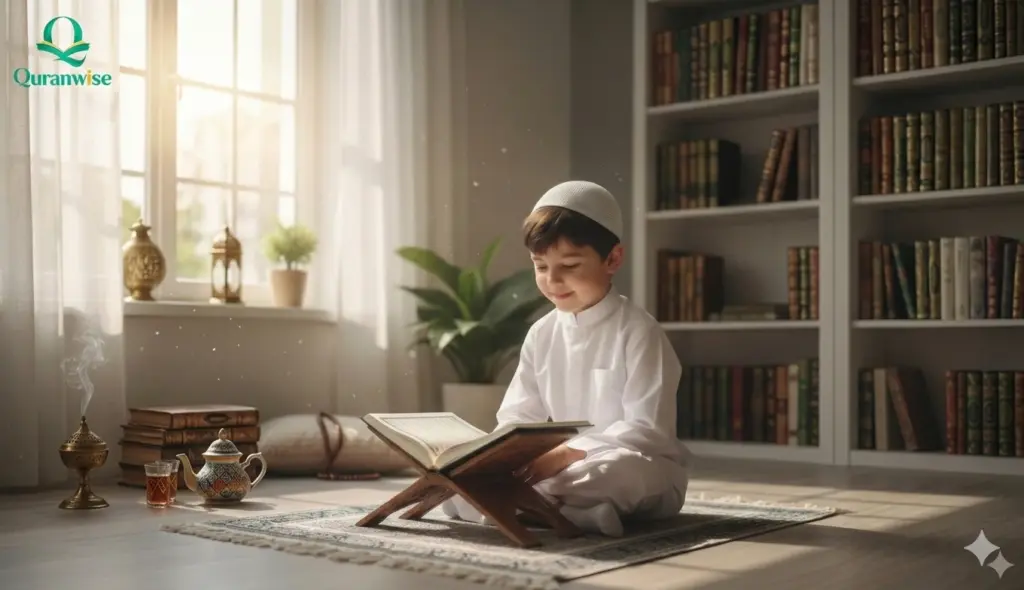
Eid is a joyful time for families and children. It is also a perfect opportunity to encourage kids to build a strong foundation in Islamic knowledge. Enrolling kids in Quran learning programs after Eid helps maintain the spiritual momentum gained during Ramadan. Interactive Quran classes designed for kids make learning enjoyable while nurturing love for the Holy Quran from an early age.
Eid as a New Beginning for Muslims:
For many Muslims, Eid al-Fitr feels like a fresh start—a chance to renew intentions and strengthen faith. Whether it is improving prayer, understanding Quranic meanings, or teaching children about Islam, Eid inspires positive change. Continuing Quran education after Ramadan ensures that the lessons learned during the holy month are not forgotten but transformed into lifelong habits.
This is where Quranwise plays a vital role by supporting Muslims worldwide through structured and accessible Quran learning.
Through Quranwise, learners can join Quran classes for non Arabic speakers, kids, and adults, making the Holy Quran easier to understand and practice beyond Ramadan.
The Importance of Consistency After Ramadan
One of the greatest lessons Muslims learn during Ramadan is consistency in worship. Throughout the holy month, believers dedicate more time to Quran recitation, prayer, and remembrance of Allah. Eid al-Fitr serves as a reminder that these acts of worship should not end with Ramadan. Maintaining a daily connection with the Holy Quran, even for a few minutes each day, helps strengthen faith and keeps the heart attached to Allah’s guidance. Consistency in Quran learning and practice allows Muslims to continue growing spiritually throughout the year.
Learning Quran Online After Eid
Modern technology has made Quran education more accessible than ever before. After Eid al-Fitr, many families choose to continue their spiritual development through online Quran classes. Flexible learning programs allow kids, adults, and non-Arabic speakers to study the Holy Quran from the comfort of their homes while receiving guidance from qualified teachers. Online Quran learning helps Muslims maintain the positive habits developed during Ramadan and provides a structured path toward better Quran recitation, Tajweed, memorization, and understanding.
Keeping the Spirit of Eid Alive All Year:
Eid al-Fitr may last a day, but its message lasts all year. By staying connected to the Holy Quran, Muslims strengthen their faith, character, and sense of purpose. Learning the Quran is not limited to Ramadan—it is a lifelong journey that brings peace, clarity, and guidance in every stage of life.
As families celebrate Eid, exchanging gifts and smiles, the greatest gift remains knowledge of the Holy Quran—knowledge that shapes hearts, guides actions, and connects Muslims to their Creator.
As Eid al-Fitr fills our homes with happiness and gratitude, it also reminds us that the end of Ramadan is the beginning of a new chapter in our spiritual journey. The habits we built during the blessed month—reading the Holy Quran, making dua, and strengthening our connection with Allah—should continue long after Eid. With the support of Quranwise and its Al-Azhar-certified teachers, Muslims in the UK, the USA, and around the world can continue to learn Quran online with Tajweed, understand its meanings, and help their children grow in faith. By making Quran learning a regular part of life, the joy and blessings of Eid al-Fitr can remain in our hearts throughout the entire year.
Conclusion
In conclusion, Eid al-Fitr is much more than a celebration—it is a beautiful reminder to remain steadfast in faith, gratitude, and devotion to Allah. It is also a time to fulfill important acts of worship such as Zakat al-Fitr, which helps those in need and strengthens the spirit of compassion and community among Muslims. The true success of Ramadan is not only in completing the month, but in continuing the righteous habits we developed, especially our connection with the Holy Quran.
With the guidance of Quranwise and its Al-Azhar-certified teachers, Muslims of all ages can continue to learn Quran online with Tajweed, understand its meanings, and strengthen their Islamic knowledge throughout the year. May Eid al-Fitr be the beginning of a lifelong journey of Quran learning, spiritual growth, generosity, and countless blessings for you and your family.